Is It Still Worth Building a House?
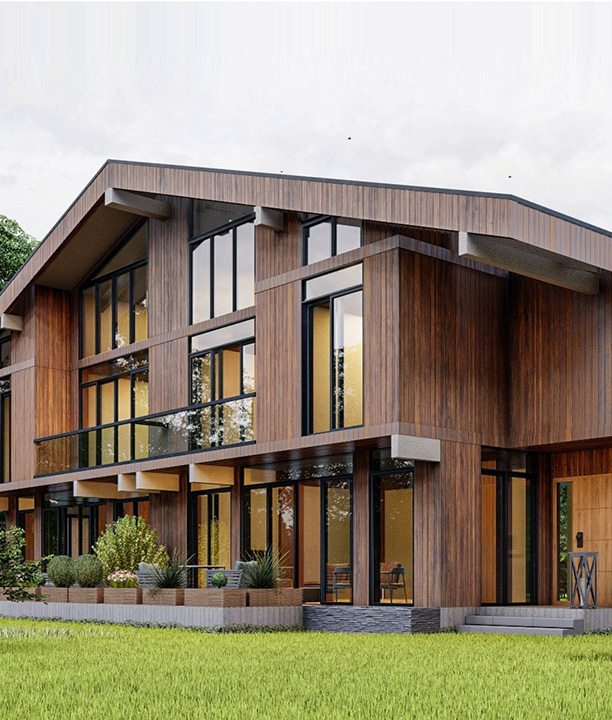
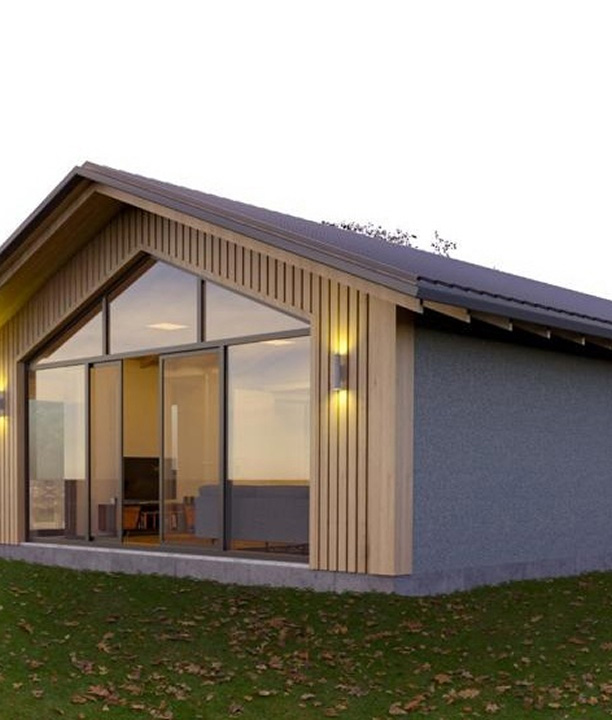
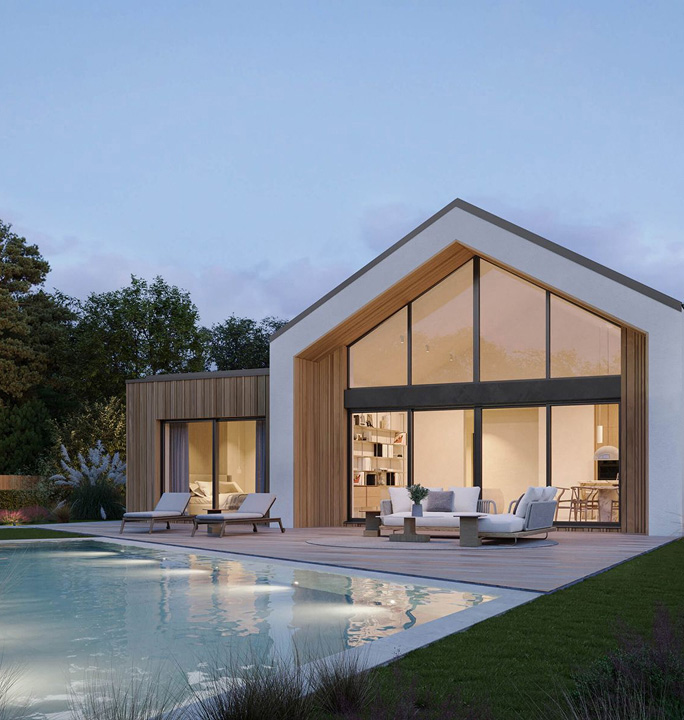
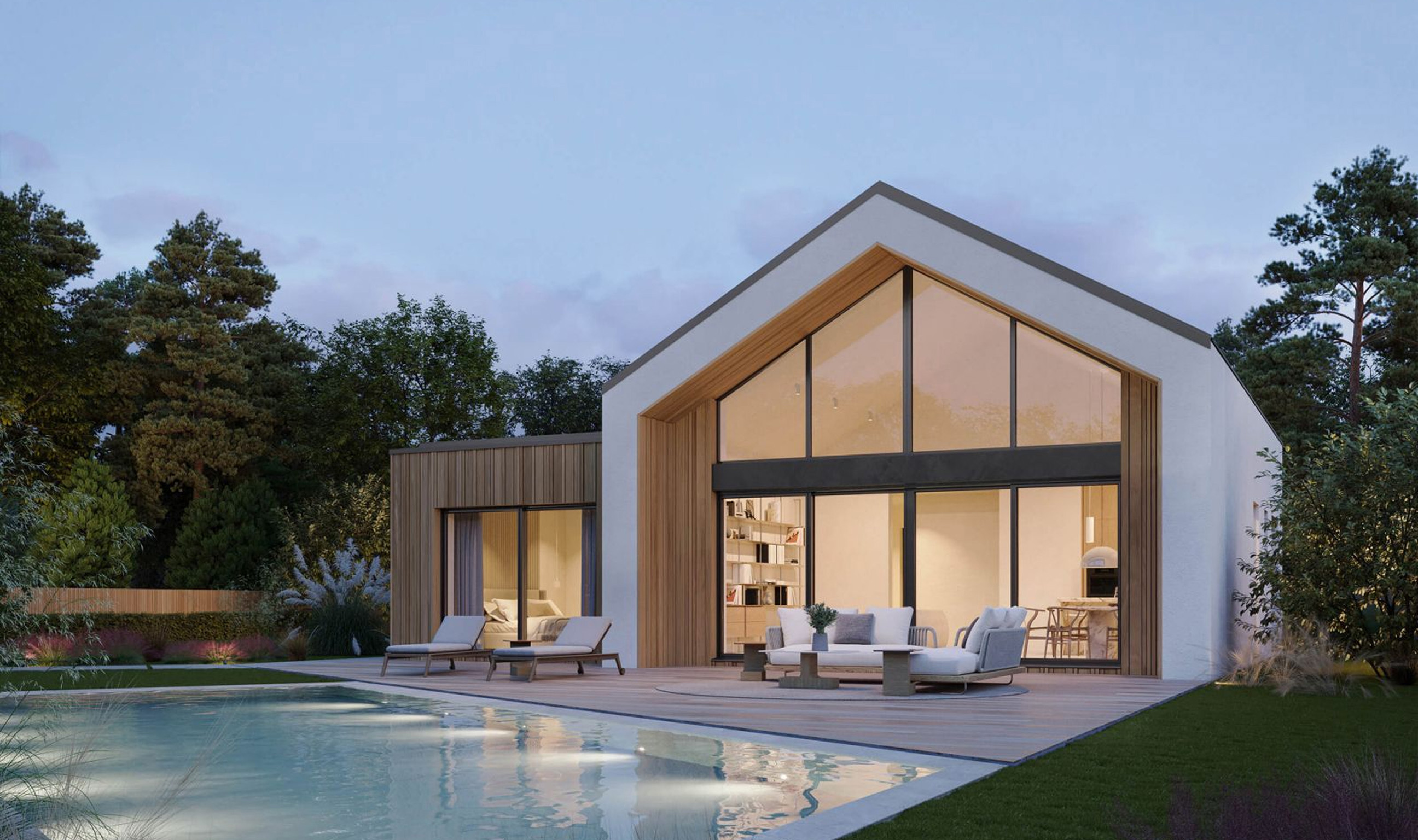
Yes, because prefabricated wooden houses are future-oriented, self-sufficient in terms of energy, and a solid investment. The desire to own a home remains one of the biggest life goals in our country. Living in your own house offers many advantages, especially for families with children. The available space is usually larger than a rented apartment, and the garden serves as a playground for children and a relaxation area for adults. Moreover, owning a home is not just a shelter and a living space but also an inflation-resistant investment and a potential retirement asset, providing a high level of security on an objective level.
However, in the current situation, many families interested in construction are asking themselves: Is now the right time to build a house, or would it be better to postpone the project? The cost of living, as well as construction interest rates and energy prices, are increasing. Does this mean that anyone who hasn't started construction yet has missed their chance? Would starting to build a house now be too risky? The construction of prefabricated wooden houses is generally more reliable in terms of cost and planning compared to other types of homes. This is because the production conditions are highly controllable, the construction time is short, and building materials are not exposed to weather conditions for an extended period. A prefabricated house, as an investment or retirement plan, is in no way inferior to other types of construction. This level of planning and future security makes building a prefabricated home a logical and attractive option for those interested in construction, even in challenging times.
Once the prefabricated home is completed and the homeowners move in, another positive long-term effect emerges: Prefabricated wooden houses save energy and reduce CO2 emissions.
We are facing the reality that energy must be produced with minimal harm to the climate, while energy costs continue to rise. In Germany, there were more than 1,500 hours of sunlight in 2021, which helped generate electricity through photovoltaic systems. For homeowners with such a system, this means not only saving money but also the assurance that they are contributing positively to the environment.
However, photovoltaic systems are not the only important factor in energy efficiency. Modern prefabricated wooden houses incorporate the latest technologies to produce energy in an economically and ecologically responsible way. The use of heat recovery systems, heat pumps,and ventilation systems reduces primary energy requirements and creates a comfortable indoor climate without CO2 emissions.The current social and political climate may present certain challenges, but this does not mean that families should give up on their dream of owning a home.
 Share
Share